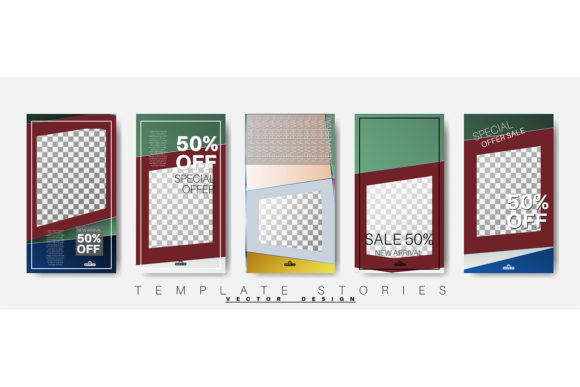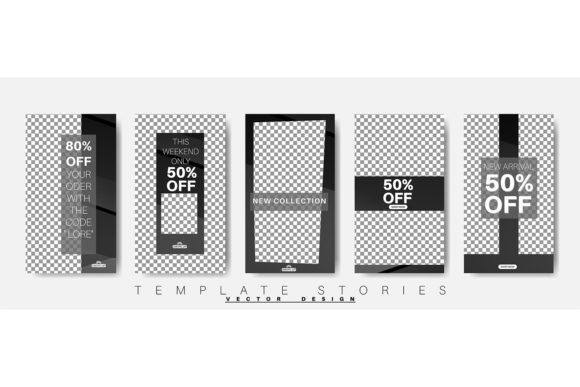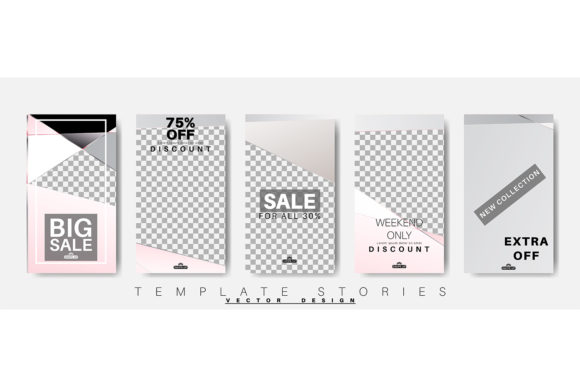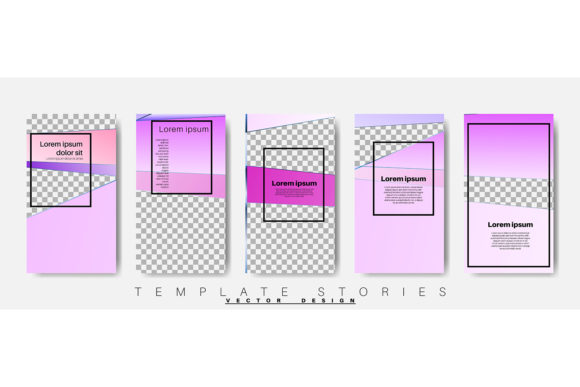
Maximizing Campaign Impact with Template Banner Sale Product 11
In the fast-paced environment of modern marketing and design, the gap between a concept and its execution often comes down to preparation and asset availability. Whether you are a small business owner launching a seasonal promotion, a freelance graphic designer managing multiple client deadlines, or a social media manager coordinating a cross-platform campaign, the need for high-quality, adaptable visual assets is constant. This is where Template Banner Sale Product 11 serves as a critical component in your creative workflow. It is not merely a static image; it is a foundational vector asset designed to streamline the production of sales materials across physical and digital channels.
Understanding how to integrate this template into your broader project lifecycle can significantly reduce turnaround times while maintaining professional quality. The utility of this resource extends far beyond a single use case, functioning effectively as a versatile backbone for everything from in-store signage to digital storytelling.
Strategic Placement in Your Design Workflow
Effective design work is rarely about starting from a blank canvas. It is about leveraging existing structures to focus energy on customization and strategy. Template Banner Sale Product 11 fits naturally into the pre-production and execution phases of a marketing campaign. Before you even open Adobe Illustrator, the planning stage involves identifying where this asset will have the most impact. Because the file is built as a 100% vector EPS 10 graphic, it offers infinite scalability without loss of resolution. This technical specification is crucial for workflows that require a single master file to serve multiple output formats.
Consider a scenario where a retail brand is preparing for a major clearance event. The workflow begins with defining the message and the channels. Traditionally, this might require designing separate files for a storefront banner, an Instagram story, and a printed flyer. However, by utilizing this template, the designer starts with a unified visual language. The vector nature of the file ensures that whether the final output is a massive roll-up banner for a trade show or a small thumbnail for a digital display, the lines remain crisp and the colors stay vibrant. This eliminates the common bottleneck of recreating assets for different aspect ratios or resolutions.
Versatility Across Physical and Digital Mediums
The true strength of this template lies in its adaptability to various mediums. In a practical sense, this means you can deploy a cohesive brand identity across touchpoints that usually require disjointed design efforts.
- Physical Retail Environments: The layout is optimized for expandable and roll vertical banners. These are essential for high-traffic areas like mall entrances or conference booths. The vector paths ensure that when printed at large scales, there is no pixelation, preserving the professional look of the sale announcement.
- Print Collateral: Beyond banners, the elements within the template can be rearranged or isolated for flyers and brochures. This consistency helps customers recognize the sale campaign whether they are holding a handout or looking at a wall display.
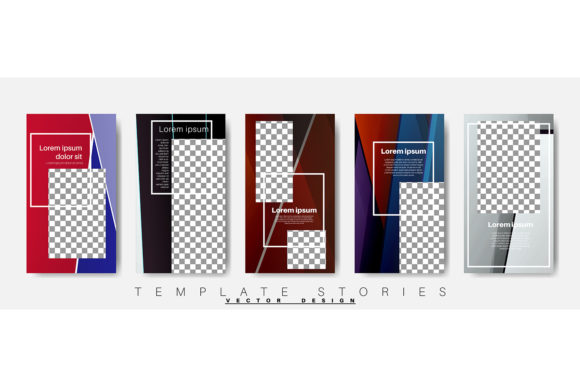
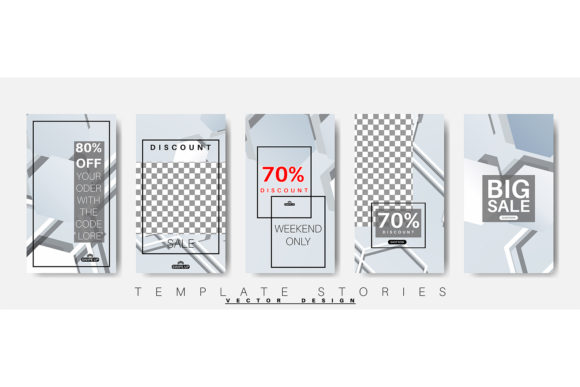
- Digital Integration: For social media stories and digital displays, the clean lines and editable objects allow for quick adaptation to screen-based color profiles (RGB) versus print profiles (CMYK). The sample preview in JPEG provides a quick reference for how the composition works before you begin editing the vectors.
By treating Template Banner Sale Product 11 as a central hub for your campaign visuals, you ensure that your messaging remains consistent. This consistency builds trust with your audience and reinforces brand recognition, which is often lost when different designers or tools are used for different platforms.
Technical Execution and Customization
Once the strategic decision to use the template is made, the process moves to technical implementation. The download package includes the core VECTOR EPS 10 file, a format chosen for its broad compatibility and robustness in professional printing environments. To get the most out of this asset, you will need access to Adobe Illustrator. This software interaction is where the flexibility of the template becomes apparent.
Upon opening the file, you will find that all objects and colors are fully editable. This is a significant time-saver. Instead of wrestling with flattened images or complex layer groups that are difficult to navigate, you have direct access to every element. You can instantly swap the primary accent colors to match your specific brand guidelines. If your sale is focused on summer products, you might shift the palette to warm tones; for a winter clearance, cool blues and whites can be applied with just a few clicks.
The workflow here is straightforward:
- Import and Assess: Open the EPS file in Illustrator. Review the layer structure to understand how text, background elements, and decorative vectors are organized.
- Brand Alignment: Use the direct selection tool to modify colors. Ensure that the contrast ratios remain high enough for readability, especially if the banner will be viewed from a distance.
- Content Injection: Replace the placeholder text with your specific sale details. Because the typography is likely outlined or uses standard fonts, you can adjust kerning and leading to fit longer or shorter headlines without breaking the layout.
- Export for Purpose: Save a copy for print (PDF/EPS) and another for web (JPEG/PNG). The vector source file remains your master copy for future edits.
This level of editability supports a dynamic workflow where last-minute changes are common. If a discount percentage changes or a date is extended, you do not need to redesign the entire graphic. You simply update the text and re-export, ensuring agility in your marketing operations.
Quality Control and Long-Term Usability
Maintaining high standards in your deliverables is non-negotiable. When working with templates, there is a risk of producing generic-looking results. To avoid this, treat Template Banner Sale Product 11 as a skeleton rather than a finished product. Add your unique photography, custom logos, or specific texture overlays to differentiate your campaign from others who might use similar base structures.
Furthermore, the longevity of this asset adds value to your investment. Unlike raster-based templates that may become obsolete as screen resolutions increase or print standards evolve, vector graphics remain relevant indefinitely. You can store this file in your digital asset management system and recall it for next year's sale, updating only the dates and offers. This approach fosters efficiency and reduces the cognitive load on your creative team, allowing them to focus on higher-level strategic tasks rather than repetitive production work.
Organization is key to long-term success. When you download the file, which includes the editable Illustrator source and a JPEG preview, establish a clear naming convention and folder structure. Keep the original vector file untouched as a backup. Create working copies for each specific campaign iteration. This practice prevents accidental overwrites and ensures you always have a clean version to return to if a design direction needs to be pivoted.
Integrating into Broader Business Goals
Ultimately, the adoption of tools like Template Banner Sale Product 11 is about supporting broader business objectives. For entrepreneurs and marketers, time is a scarce resource. By reducing the hours spent on layout and composition, you free up time for market research, customer engagement, and data analysis. The template acts as a force multiplier, allowing a solo freelancer to produce work that rivals the output of a larger agency.
Educators and publishers can also benefit from this structured approach. When creating materials for workshops or catalogs, having a reliable, editable template ensures that all materials look cohesive and professional. It simplifies the teaching of design principles by providing a concrete example of how vector graphics function in real-world applications.
In conclusion, the value of this template is not just in its aesthetic appeal but in its functional role within a streamlined workflow. It bridges the gap between idea and execution, offering the flexibility needed for today's multi-channel marketing landscape. By understanding its technical capabilities and integrating it thoughtfully into your planning and production processes, you can achieve consistent, high-quality results that drive engagement and support your business goals. Whether you are preparing for a immediate flash sale or building a long-term brand asset library, this vector resource provides the stability and adaptability required to succeed.