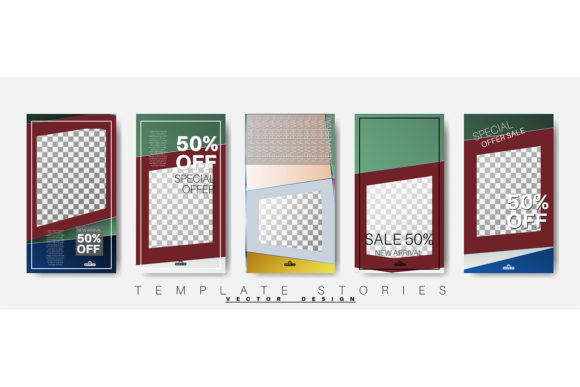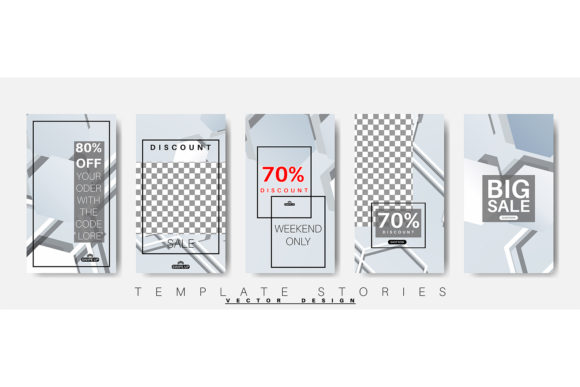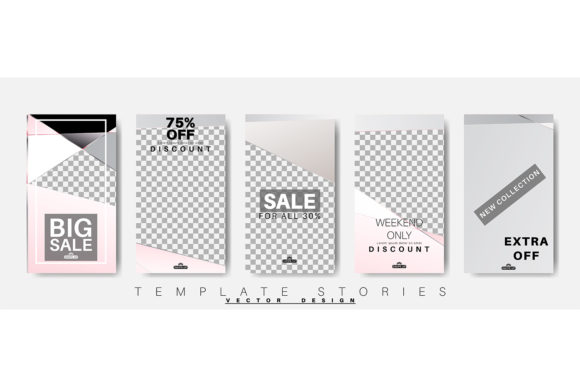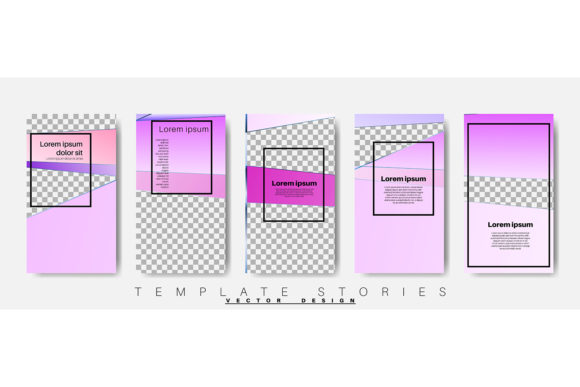
Maximizing Campaign Impact with Product Sale Banner Template 4
In the fast-paced environment of modern marketing and design, the gap between a concept and its execution often determines the success of a campaign. Professionals ranging from freelance graphic designers to small business owners understand that time is a finite resource. When a product launch or a seasonal sale approaches, the pressure to deliver high-quality visual assets can be overwhelming. This is where strategic resources like Product Sale Banner Template 4 become essential components of a streamlined workflow. Rather than serving merely as a static image, this template functions as a flexible foundation that integrates seamlessly into various stages of a creative project, from initial planning to final deployment across multiple channels.
Understanding the role of a vector-based template requires looking at the broader context of asset management. In a typical design process, creators spend a significant amount of time setting up artboards, defining color palettes, and establishing typography hierarchies. By utilizing a pre-structured layout such as Product Sale Banner Template 4, you effectively outsource the structural heavy lifting. This allows you to focus your cognitive energy on the messaging, the product photography, and the specific branding nuances that differentiate your offer. The template acts as a scaffold, ensuring that the final output maintains professional proportions and visual balance regardless of who is editing it.
Integrating Vector Assets into Your Design Workflow
The core value of this specific template lies in its file format: VECTOR EPS 10. For those managing complex projects, the distinction between raster and vector graphics is critical. Raster images, composed of pixels, often degrade when resized for different mediums, leading to blurry edges on large prints or crispness loss on high-resolution digital displays. In contrast, the 100% vector nature of Product Sale Banner Template 4 ensures infinite scalability. Whether you are adapting the design for a massive trade show roll-up banner or shrinking it down for a mobile social media story, the lines remain sharp and the colors stay vibrant.
Integration begins before you even open Adobe Illustrator. Effective workflow management involves organizing your assets prior to editing. Since the template includes editable objects and colors, you should prepare your brand guidelines beforehand. Have your hex codes, logo files (preferably in SVG or AI format), and product images ready in a dedicated folder. When you open the EPS file in Illustrator, the layer structure allows for immediate customization. You aren't fighting against a flattened image; you are interacting with distinct groups and paths. This level of control is vital for maintaining consistency across a brand's ecosystem.
Consider a scenario where a marketing team is launching a new line of eco-friendly home goods. They need assets for an email header, an Instagram story, and a physical flyer for local distribution. Using Product Sale Banner Template 4, the designer can duplicate the artboard three times, adjusting the dimensions for each platform while keeping the core design language identical. Because all objects are editable, swapping the background color from a generic blue to a brand-specific sage green takes seconds. This adaptability reduces the turnaround time from days to hours, allowing the team to react quickly to market trends or inventory changes.
Versatility Across Physical and Digital Mediums
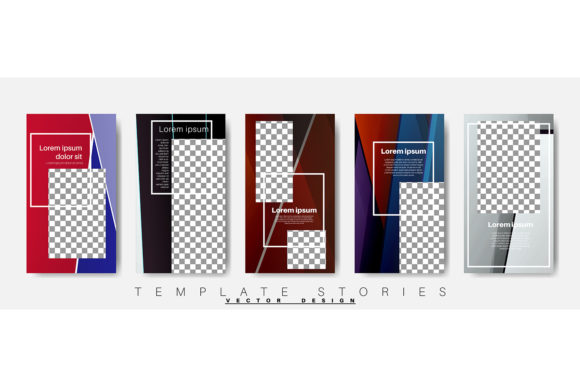
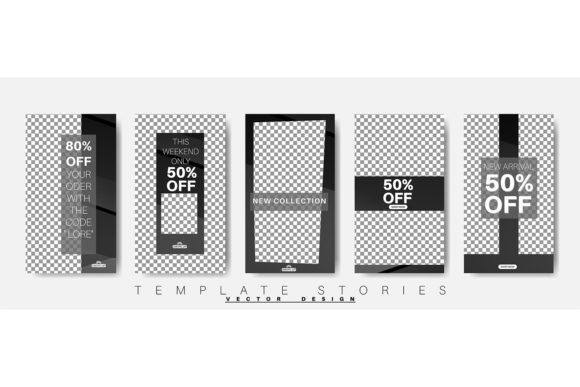
One of the most challenging aspects of modern marketing is maintaining visual coherence across disparate mediums. A design that looks stunning on a website might fail when printed on a brochure due to color mode differences or resolution issues. Product Sale Banner Template 4 addresses this by being inherently versatile. It is engineered to function as a product catalog cover, a digital display ad, or a physical expandable and roll vertical banner. This cross-medium compatibility simplifies the production process for entrepreneurs who manage their own advertising.
For physical applications, such as flyers and brochures, the vector format ensures that text remains legible even at small point sizes. When preparing these files for print, the ability to edit every object means you can easily convert colors to CMYK or add bleed lines without distorting the original composition. Similarly, for digital environments like social media stories or website headers, the clean lines of vector graphics load efficiently and render perfectly on retina displays. The template serves as a unified source of truth for your visual identity, reducing the risk of brand dilution caused by inconsistent formatting.
The inclusion of a sample preview in JPEG alongside the vector files further aids in the planning phase. Before committing to the editing process, stakeholders can review the JPEG to visualize the potential outcome. This is particularly useful during client presentations or internal team meetings where quick decisions are necessary. It allows non-designers to provide feedback on the layout and composition before the technical work begins in Illustrator, streamlining the approval process.
Optimizing Efficiency with Editable Components
Efficiency in design is not just about speed; it is about reducing friction in the creative process. Product Sale Banner Template 4 is built with the understanding that users need to iterate quickly. The fact that all objects colors are editable means you can test multiple variations of a single concept without starting from scratch. A/B testing is a crucial part of data-driven marketing, and having a template that facilitates rapid variation creation is a significant advantage.
Imagine running a flash sale where you need to update the discount percentage every few hours based on inventory levels. With a rigid, non-editable template, this would require recreating the graphic entirely. With this vector template, you simply select the text object, update the number, and export. The surrounding elements adjust automatically if the template uses smart grouping or alignment guides, preserving the aesthetic integrity of the banner. This flexibility empowers marketers to keep their content fresh and relevant without relying heavily on external design agencies for minor updates.
Furthermore, the compatibility with Adobe Illustrator ensures that the template fits into the standard industry toolset. Most professionals already possess the skills to navigate Illustrator's interface, meaning there is no learning curve associated with adopting this template. You can leverage existing knowledge of pen tools, pathfinders, and gradient meshes to enhance the base template. This seamless integration supports a "plug-and-play" approach to high-level design, where the template handles the heavy lifting of composition while the user applies their unique creative touch.
Long-Term Value and Asset Management
Investing in high-quality templates is a strategic decision that yields returns over the long term. Unlike stock photos that may expire or lose relevance, a vector template like Product Sale Banner Template 4 is a perpetual asset. Once downloaded, it belongs to your library forever. You can revisit it months or years later for future campaigns, updating the imagery and text to suit new products while retaining the proven layout that previously converted well.
Proper organization of these files is key to maximizing their lifespan. Store the EPS files in a cloud-synced folder accessible to your entire team. Create a documentation file that notes which color codes were used for specific successful campaigns. This builds an institutional memory of what works visually for your audience. Over time, you may develop a suite of banners based on this template, creating a recognizable visual language that customers associate with your brand's reliability and quality.
Additionally, the scalability of vector files future-proofs your marketing materials. As display technologies evolve and screen resolutions increase, your assets will not become obsolete. A banner designed today for a standard HD monitor will look equally crisp on a 4K digital billboard five years from now. This longevity reduces the need for frequent redesigns, freeing up budget and time for other strategic initiatives.
Practical Implementation Tips
To get the most out of Product Sale Banner Template 4, consider the following practical steps during your implementation phase:
- Preparation is Key: Before opening the file, gather all high-resolution product photos and copy. Having these ready prevents interruptions during the design flow.
- Layer Management: Upon opening the file in Illustrator, immediately rename layers to match your content (e.g., "Background," "Product Image," "Headline"). This keeps the file organized, especially if multiple people are accessing it.
- Color Consistency: Use the eyedropper tool to sample your brand colors directly onto the editable objects in the template. Avoid using default swatches to ensure brand accuracy.
- Export Settings: When saving for web, use the "Save for Web" legacy feature or export as PNG/JPEG with appropriate compression. For print, save as PDF with crop marks and bleeds included.
- Version Control: Save iterations of your design with clear version numbers (e.g., Banner_v1, Banner_v2) to avoid confusion and allow for easy rollback if needed.
By treating Product Sale Banner Template 4 not just as a download but as a integral part of your operational toolkit, you elevate the quality of your output while optimizing your time. It bridges the gap between professional design standards and the practical needs of busy entrepreneurs and marketers. Whether you are crafting a simple social media post or a comprehensive multi-channel campaign, this vector resource provides the stability and flexibility required to execute your vision effectively.