Choosing the Right Visual Style: A Guide to Bubble Abstract Liquid Elements
In the evolving landscape of digital and print design, the shift away from rigid geometric structures toward more organic, fluid forms has become a defining trend. Among these, the Bubble Abstract Liquid Element stands out as a versatile tool for designers seeking to inject motion and vitality into their projects. Whether you are crafting a corporate flyer, a summer-themed poster, or a modern brand identity, understanding the nuances of liquid shapes—specifically those featuring red flat forms, green fluid blobs, and yellow liquid stains—is essential for making an informed design choice.
This guide explores what makes these abstract aqua spots distinct, how they compare to traditional graphic resources, and when they represent the best fit for your specific creative needs.
Defining the Bubble Abstract Liquid Element
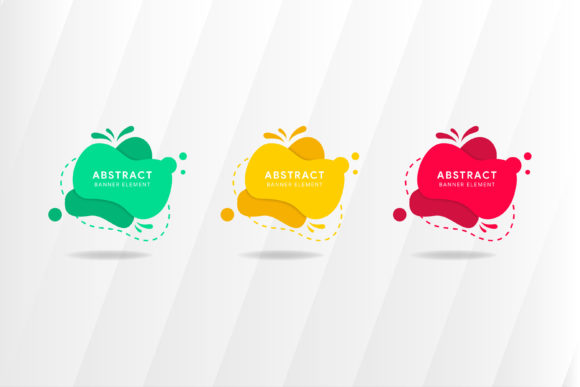
At its core, a Bubble Abstract Liquid Element refers to a collection of vector-based graphics that mimic the behavior of fluids in motion. Unlike static icons or standard clip art, these elements capture the dynamic nature of liquids through gradients, overlapping layers, and irregular contours. The specific set described here combines three primary visual components:
- Red Flat Shapes: These provide a solid foundation and contrast, often serving as anchors within a composition to draw the eye.
- Green Fluid Blobs: Representing growth and energy, these organic forms introduce a sense of natural flow and unpredictability.
- Yellow Liquid Stains: Acting as highlights or accents, these geometric-fluid hybrids add brightness and a "hipster" or trendy aesthetic.
What distinguishes this style from other abstract art is its reliance on gradient transitions and dynamic color palettes. The interplay between the isolated aqua spots and the vibrant red, green, and yellow hues creates a depth that flat design alone cannot achieve. Because these files are typically delivered as 100% vector graphics (in formats like AI, EPS, and SVG), they maintain crisp edges at any scale, making them suitable for both high-resolution 300 DPI print materials and scalable digital banners.
Comparing Liquid Styles to Traditional Geometric Designs
When evaluating design resources, professionals often weigh the merits of fluid organic shapes against traditional geometric patterns. Here is how the Bubble Abstract Liquid Element compares to other common approaches:
Flexibility and Adaptability
Traditional geometric backgrounds, such as grids or strict polygonal patterns, offer order and stability. They are excellent for technical documents or financial reports where clarity is paramount. However, they can sometimes feel sterile or overly rigid. In contrast, liquid elements introduce a sense of motion and flow. They are inherently more adaptable to creative industries, lifestyle brands, and summer campaigns where the goal is to evoke emotion rather than just convey data.
Visual Hierarchy and Focus
A key advantage of using isolated abstract spots is the ability to create natural focal points. A red flat shape can frame a headline, while a green fluid blob might guide the viewer's eye toward a call-to-action button. Geometric patterns often repeat uniformly, which can sometimes compete with text for attention. Liquid designs, by their irregular nature, allow for negative space to breathe, ensuring that your message remains the priority.
Modern Aesthetic vs. Timeless Minimalism
Liquid gradients and colorful splashes are currently associated with a modern, trendy, and "hipster" aesthetic. If your brand aims to appear innovative and forward-thinking, these elements are highly effective. Conversely, if your project requires a timeless, minimalist look that will not date quickly, a simple line-art approach or monochromatic geometric set might be a safer long-term investment. The Bubble Abstract Liquid Element is powerful but carries a specific stylistic timestamp that should be considered during the planning phase.
Technical Considerations: Vector vs. Raster
A critical factor in choosing these resources is the file format. The set in question offers files in AI, EPS, SVG, and JPG. Understanding the difference is vital for your workflow:
- Vector Formats (AI, EPS, SVG): These are mathematically defined paths. They allow you to edit text, shapes, and colors without losing quality. For a designer needing to match a specific brand hex code or resize a banner for a billboard, vector is non-negotiable. The "well-organized" nature of these files means layers are separated, facilitating easy customization.
- Raster Formats (JPG): While convenient for quick previews or web use where editing isn't required, JPGs are pixel-based. At 300 DPI, they are sufficient for standard print, but they lack the infinite scalability of vectors. If your project involves large-format printing or complex compositing, relying solely on JPGs could limit your options.
For professionals comparing options, the inclusion of both vector and raster formats in a single download provides significant value, catering to both immediate usage and deep customization.
Ideal Use Cases and Limitations
Determining whether the Bubble Abstract Liquid Element is the right choice depends largely on the context of your project. Below are scenarios where these graphics excel, alongside situations where alternatives might be preferable.
Best-Fit Situations
Marketing Flyers and Posters: The bright, colorful nature of red, green, and yellow blobs makes these elements perfect for event promotions, summer sales, and product launches. The dynamic background grabs attention in crowded physical or digital spaces.
Presentation Decks: Using these shapes as subtle backdrop textures can modernize a slide deck, breaking up the monotony of white space without distracting from the content.
Social Media Banners: The horizontal adaptability of fluid shapes works well for cover photos and headers, providing a contemporary frame for profile pictures or text overlays.
Packaging Design: For products in the beauty, beverage, or creative sectors, liquid elements can suggest flavor, freshness, or creativity directly on the package.
Potential Limitations
While versatile, these elements are not a universal solution. In highly regulated industries such as healthcare or legal services, the playful and abstract nature of fluid blobs might undermine the necessary tone of seriousness and trust. Additionally, because these designs rely heavily on color gradients, they may not reproduce accurately on low-quality printers or black-and-white mediums. If your distribution channel is limited to grayscale printing, a pattern based on line work or texture would be a more pragmatic alternative.
Making the Decision: Factors to Evaluate
When finalizing your choice of graphic resources, consider the following decision factors:
- Brand Alignment: Does the vibrant, multi-color palette align with your existing brand guidelines? If your brand is strictly monochromatic, you may need to utilize the editable vector features to recolor the elements significantly.
- Medium of Delivery: Are you designing primarily for screen or print? While 300 DPI is excellent for print, ensure your workflow supports vector editing if scaling is anticipated.
- Customization Needs: Do you require the ability to tweak individual shapes? The "well-organized" layer structure of high-quality vector sets allows for this, whereas flattened images do not.
- Trend Longevity: Consider how long the asset needs to remain relevant. Fluid gradients are currently popular; assess if this fits your campaign timeline.
Conclusion
The Bubble Abstract Liquid Element represents a powerful intersection of art and utility. By combining red flat shapes, green fluid blobs, and yellow liquid stains, these resources offer a dynamic way to elevate flyers, templates, and digital presentations. They provide a distinct alternative to rigid geometric patterns, offering movement and energy that resonates with modern audiences.
However, like any design tool, their effectiveness relies on context. They shine in creative, energetic, and consumer-facing projects but may require careful adaptation for formal or restricted environments. By evaluating your specific needs regarding format, customization, and brand tone, you can determine if this vibrant set of isolated abstract aqua spots is the ideal foundation for your next design endeavor. With high-resolution outputs and fully editable vector capabilities, these elements serve as a robust starting point for professionals aiming to create impactful, visually engaging communications.